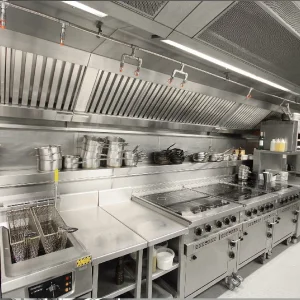
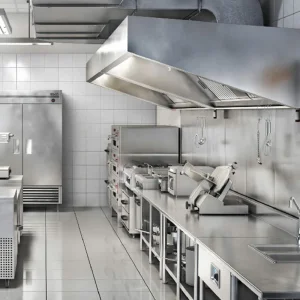
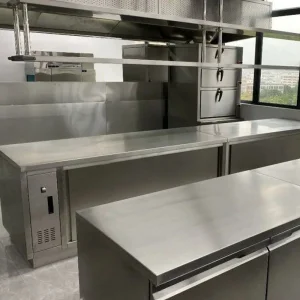
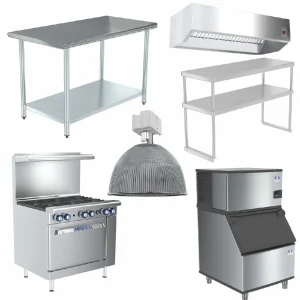
Engineered for immediate integration into commercial kitchens, centralized distribution centers, and regional food processing facilities.
Analysis of maritime logistics integration, automated processing lines, and regional compliance frameworks.
The food and pharmaceutical processing equipment market is undergoing a major transition. Rapid shifts in consumer demand, raw material prices, and hygiene standards require processing systems that offer high flexibility, precise automation, and energy efficiency. On a global scale, the industrial food preparation market is driven by the need to automate processing lines to offset rising labor costs and ensure product safety.
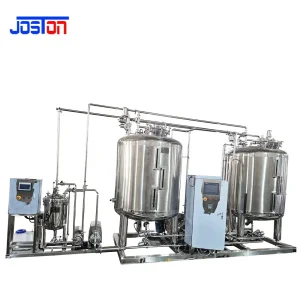
As the maritime gate of South Korea and a top-tier international logistics center, Busan occupies a critical position in this global supply chain. The Busan Metropolitan Area, including neighboring industrial zones in Gyeongnam and Ulsan, supports a large concentration of marine product processing industries, cold-chain logistics centers, commercial food manufacturing operations, and chemical-biological preparation plants. The regional demand for industrial processing systems spans high-volume thermal treatment, precise vacuum concentration, chemical dosing systems, and clean-in-place (CIP) mixing systems.
Direct integration with international shipping routes allows Busan-based manufacturers to quickly source ingredients and export processed goods globally.
Compliance with the Ministry of Food and Drug Safety (MFDS), K-HACCP, and local environmental standards is built into our equipment designs.
Equipped with PLC controls, digital sensor arrays, and Ethernet/IP interfaces to support regional smart manufacturing initiatives.
The regional food processing economy in Busan is characterized by two distinct sectors:
How our advanced thermal and mechanical preparation systems optimize production efficiency.
Modern food processing demands system integration that balances thermal efficiency, precise dosing, and sanitary containment. Our systems are engineered to address these challenges with the following technical frameworks:
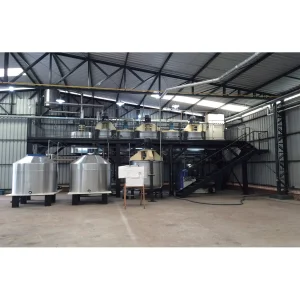
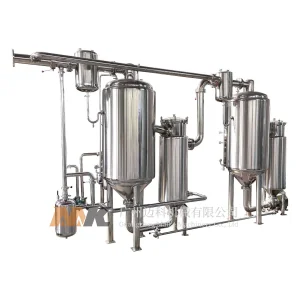
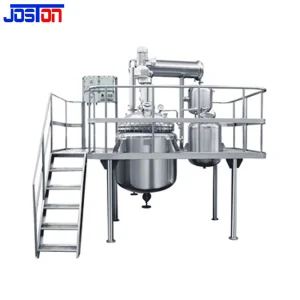
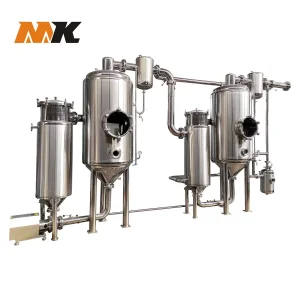
Concentrating syrups, food extracts, and pharmaceutical bases requires precise control over pressure and temperature. By utilizing double-effect vacuum concentration systems (such as the Maike Systems detailed below), we reduce steam consumption by reusing vapor from the first effect to heat the second effect. Operating under vacuum lowers the boiling point of the media, preserving heat-sensitive compounds and maintaining organic profiles.
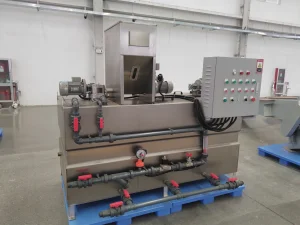
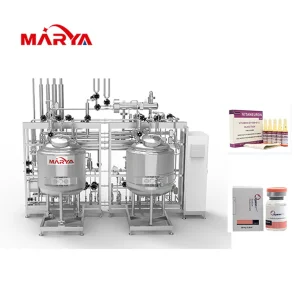
Consistency in ingredient addition and wastewater treatment requires precise dosing systems. Our PLC-controlled automatic dosing systems manage the addition of ingredients, pH adjustments, and flocculants (PAC/PAM) with high accuracy. This level of automation prevents batch variability and ensures compliance with discharge limits for food and beverage facilities.
| System Type | Core Application | Standard Construction | Key Efficiency Factor |
|---|---|---|---|
| Double-Effect Vacuum Concentrator | Fruit Juices, Syrup Base, Herbal Extracts | SUS304 / SUS316L Stainless Steel | Reduces steam energy consumption by up to 40% |
| PLC Dosing Systems | Ingredients Mixing, Water Treatment (PAC/PAM) | Corrosion-proof PP / SUS Options | Precision metering pumps with ±0.5% tolerance |
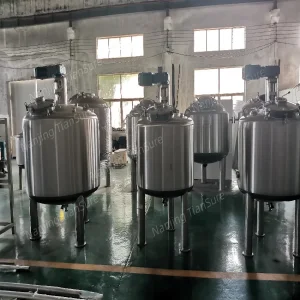
| Jacketed Steam Reactors | Saturated Resin Synthesis, Food Bases, Sauces | Pressure Vessel Certified Jacket | Even heat distribution preventing localized burning |
| CIP/SIP Integrated Skids | Sanitary Line Cleaning & Sterile Preparation | Self-draining piping design | Validatable cleaning cycles with minimal water waste |
Operating industrial machinery in Korea requires compliance with the Korea Occupational Safety and Health Agency (KOSHA) standards and strict adherence to the Serious Accident Punishment Act (SAPA). Our equipment incorporates multiple layers of operator protection, including emergency shut-off protocols, pressure relief valves, and enclosed sanitary boundaries.
Operational use cases for maritime processing, institutional catering, and chemical-pharmaceutical preparation.
Deploying double-effect concentration and sanitary jacketed vessels for the processing of concentrated fish stocks, oyster extracts, and seaweed concentrates near Gamcheon Port.
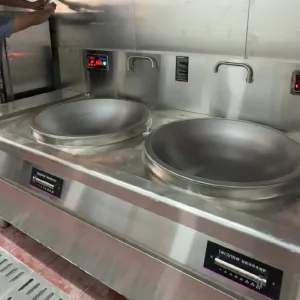
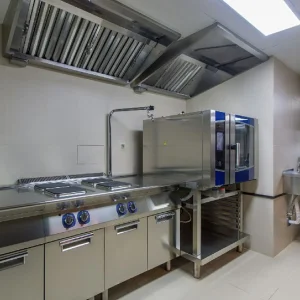
Heavy-duty preparation mixers and high-capacity steam cooking kettles installed in food logistics hubs near Busan New Port to support high-throughput meal kit manufacturing.
Supplying high-efficiency dosing and resin reactors to local industrial complexes for pharmaceutical excipients, paint manufacturing, and industrial paper processing.
Explore our full line of specialized mixing, dosing, concentration, and culinary preparation machinery.
Innovating for smarter, more efficient, and sustainable food preparation operations.
The next phase of food preparation technology is defined by data integration, resource conservation, and high reliability. Our engineering focus points toward:
Technical clarifications on performance, materials, and compliance for the Busan market.
 Coden Kitchen