How to Create an Efficient Restaurant Seating Plan for Success

Time:2026-08-16 Author:Oliver
0%

Creating a successful restaurant involves many elements, one of which is seating. An efficient seating plan maximizes space and enhances guest experiences. Understanding how to design an efficient restaurant seating plan is crucial for optimizing your layout. It requires a balance of aesthetics and functionality.

In an overcrowded restaurant, guests may feel cramped, leading to a negative dining experience. Consider the flow of movement between tables. There should be enough space for servers to navigate easily. Moreover, the arrangement influences the atmosphere. A well-thought plan can create an inviting ambiance.

Often, restaurant owners overlook the importance of flexibility in seating. A rigid plan may not accommodate varying group sizes or peak hours. Reflecting on your design and making adjustments is key to meeting diverse customer needs. Ultimately, a thoughtful seating strategy can significantly impact your restaurant's success.
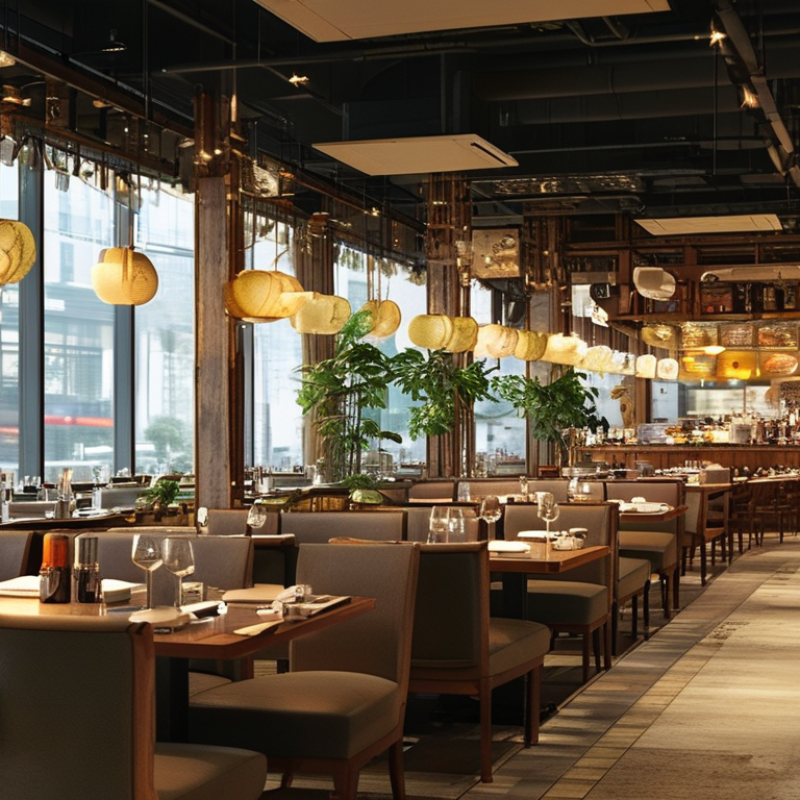
How to Create an Efficient Restaurant Seating Plan for Success

Understanding the Importance of an Efficient Restaurant Seating Plan

An efficient restaurant seating plan greatly impacts overall success. Each table layout affects customer experience and staff workflow. A well-thought-out plan can increase turnover rates without compromising service quality. Understanding various seating arrangements is vital. For example, booths can create intimate dining experiences, while larger tables encourage group gatherings.

Observation of peak dining hours is another crucial factor. During busy times, specific layouts may cause bottlenecks. An ideal plan adapts to these patterns. Frequent evaluations help spot inefficiencies. For instance, if customers wait too long, reconsider the table distribution. Engaging with your staff can also provide valuable insights. They witness firsthand how the layout influences service flow.

Flexibility is key. Seasonal changes may alter the average group size. For instance, holidays often attract larger parties, necessitating adjustments. Regular reviews can lead to a more dynamic seating plan. This approach not only enhances customer satisfaction but also ensures maximum efficiency. Strive for a balance that meets operational needs and provides a pleasant atmosphere.

Evaluating Your Restaurant Space and Layout for Optimal Seating

Creating an efficient seating plan is crucial for maximizing restaurant space. Evaluating your restaurant’s layout can reveal underutilized areas. According to industry reports, effective seating arrangements can increase revenue by as much as 30%. A well-thought-out plan allows hosts to optimize flow and enhance the guest experience.

Start by assessing your current seating configuration. Consider the size and shape of tables. Flexible seating, like movable tables, adapts to different group sizes. This versatility ensures you can accommodate couples or larger parties without overcrowding. Aim for a 60% capacity during peak hours for optimal guest turnover.

Tips: Incorporate booths and communal tables to boost seating efficiency. Keep pathways clear to enhance service speed. Analyze peak dining times and adjust your layout accordingly. Evaluate customer feedback regularly to identify any seating issues. Small tweaks can lead to significant improvements in guest satisfaction.

Types of Restaurant Seating Arrangements and Their Benefits

Creating an effective restaurant seating arrangement requires understanding various styles and their impact on customer experience. Different seating types can dictate the ambiance and flow of service. For instance, traditional tables and chairs provide a classic feel, promoting conversation. This setup is ideal for restaurants focusing on leisurely dining.

On the other hand, high-top tables can encourage a lively atmosphere. These arrangements maximize floor space, catering to more guests during peak hours. However, they may create discomfort for some patrons who prefer a relaxed environment. Balancing different seating options can help address diverse customer preferences.

Booth seating is another popular choice. It offers privacy and comfort, enhancing the dining experience. Many regulars appreciate the cozy atmosphere booths provide. However, accessibility can be an issue for some guests. Evaluating the advantages and drawbacks of each seating type is essential for crafting a plan that aligns with your restaurant's vision. Adapting your seating strategy as customer feedback comes in is equally important for continuous improvement.

Restaurant Seating Arrangements and Their Benefits

Utilizing Technology for Seating Management and Reservations

In today’s digital age, technology plays a crucial role in restaurant seating management. Implementing a robust reservation system can streamline the customer experience. Effective tools allow for real-time updates on table availability. This reduces wait times and enhances customer satisfaction.

Moreover, many restaurants use seating management software to optimize their layouts. Such software adjusts dynamically based on real-time demand. It helps in identifying peak hours and trends. This insight allows managers to make informed staffing decisions. However, not all systems are perfect. Some may struggle with integration or user-friendliness.

It’s essential to choose technology that suits your specific needs. Utilize customer feedback to refine reservation processes. Address any flaws in the system as they arise. The goal is to ensure a seamless experience for diners and staff alike. Regular assessment of these technologies can lead to continuous improvement.

Adjusting Your Seating Plan Based on Customer Flow and Feedback

Creating an efficient restaurant seating plan requires constant adaptation to customer flow and feedback. A study from the National Restaurant Association reports that 60% of diners prefer to be seated based on their preferences. Understanding peak hours helps optimize seating charts to accommodate more customers during busy times. For example, a restaurant may find that seating arrangements configured for larger parties during weekday dinners significantly decreases their overall throughput.

Listening to customer feedback is equally crucial. Surveys reveal that 70% of customers will return based on their seating experience. Gathering insights about comfort and visibility can reveal much. If patrons express discomfort with crowded layouts, it may indicate a need for rethinking arrangements. This could involve re-evaluating table sizes or the distance between them. Implementing these changes not only enhances customers' dining experience but can also positively impact revenue.

Moreover, flexibility is essential. Seasonal changes can shift customer behavior. A recent report from Technomic suggests that outdoor seating becomes increasingly popular in warmer months. Adjusting the seating plan to capitalize on this trend can lead to significant boosts in patronage. Monitoring customer patterns, gathering feedback, and making data-driven changes keep the seating strategy effective and responsive.

FAQS

: Why is an efficient seating plan important for restaurants?

: It impacts customer experiences and staff workflow, increasing turnover rates while maintaining service quality.

How do different table arrangements affect dining experiences?

Booths offer intimacy, while larger tables facilitate group gatherings, enhancing overall satisfaction.

What should restaurants observe during peak dining hours?

They should recognize layouts that may cause bottlenecks and adapt for smoother service.

How can restaurants ensure their seating plans remain effective?

Frequent evaluations help identify inefficiencies, like long customer wait times requiring table distribution adjustments.

Why is engaging with staff essential in seating management?

Staff provides insights on how layouts affect service workflows, offering valuable feedback for improvements.

How does seasonal change affect restaurant seating needs?

Holidays may bring larger parties, so restaurants should adjust their seating layouts accordingly.

What role does technology play in restaurant seating management?

Technology streamlines reservations and updates table availability, reducing wait times and improving customer satisfaction.

Are all seating management systems equally effective?

No, some may lack proper integration or user-friendliness, requiring consideration before implementation.

How can customer feedback help improve seating management?

It helps identify flaws in reservation processes and allows for refining to enhance the overall dining experience.

What is the ultimate goal of using technology in seating management?

The aim is to create a seamless experience for both diners and staff, promoting efficiency and satisfaction.

Conclusion

Creating an efficient restaurant seating plan is crucial for maximizing profitability and enhancing the overall dining experience. This process involves understanding the significance of an effective seating layout, which can directly influence customer satisfaction and turnover rates. To begin, evaluate your restaurant's physical space and layout to determine the optimal seating capacity while ensuring comfort and accessibility for guests.

Various seating arrangements, such as communal tables, booths, and traditional layouts, each offer distinct advantages that can be tailored to fit your specific needs. Additionally, leveraging technology for seating management and reservations can streamline operations and improve customer service. Finally, it’s important to adjust your seating plan according to customer flow and feedback, ensuring your strategy remains responsive and effective. In essence, knowing how to design an efficient restaurant seating plan is essential for achieving long-term success in the competitive dining industry.

Oliver

Oliver

Oliver is a seasoned marketing professional with a wealth of expertise in driving brand awareness and engagement. With a deep understanding of our company's product offerings, he consistently delivers high-quality content that enriches our professional blog. His insights not only shed light on......