Choosing what is the best hot water solution for commercial kitchens requires more than comparing equipment prices. A busy kitchen needs hot water during sharp demand peaks, not only during quiet hours. Dishwashers, prep sinks, handwashing stations, and mop sinks may operate together. That sudden load can expose weak storage capacity, slow recovery, or unstable temperatures.
Dr. Steven Nadel, an energy-efficiency authority and longtime ACEEE executive, has stated, “Energy efficiency is often the cheapest energy resource.” His point applies directly to commercial water heating. A high-efficiency gas system, heat pump water heater, electric storage tank, or hybrid design may reduce operating costs. The right choice depends on fuel access, kitchen size, local climate, ventilation, water hardness, and peak-hour demand. There is no universal winner.
Look closely at recovery speed.
A practical evaluation should measure gallons per hour, usable storage, temperature control, installation space, maintenance access, and sanitation requirements. Heat recovery from refrigeration or dishwashing equipment may also improve performance. However, these systems can involve higher installation complexity and may not suit every building. That limitation matters.
This guide will compare the leading hot water options for commercial kitchens. It will examine energy use, reliability, safety, cleaning demands, and long-term operating value. Real kitchen conditions matter more than brochure ratings. A solution that performs well in a quiet café may fail during a hotel breakfast rush. Careful sizing remains essential, even when the technology appears efficient.
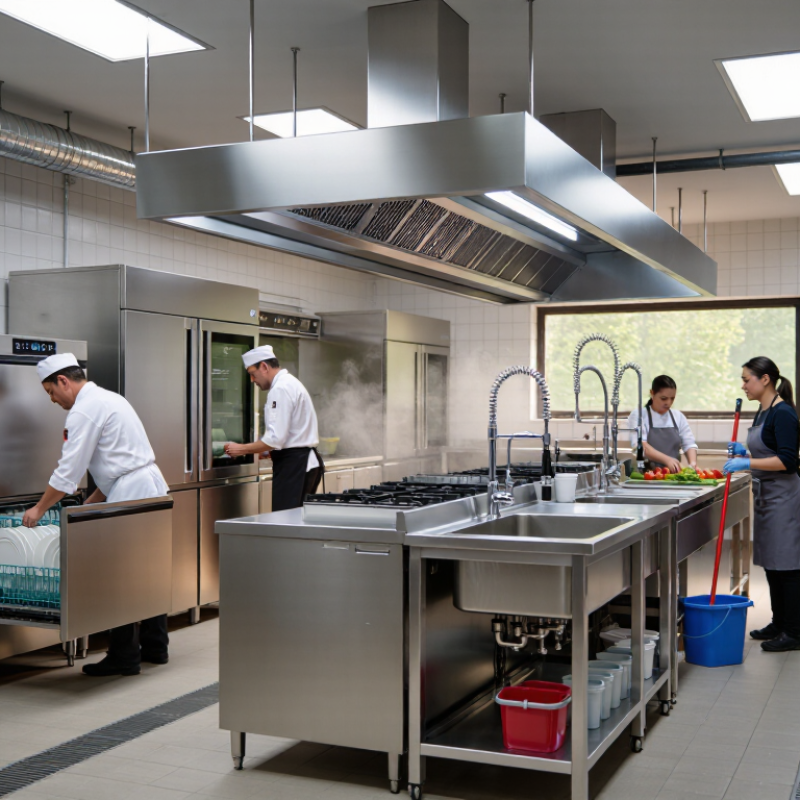
What Is the Best Hot Water Solution for Commercial Kitchens?
Types of Hot Water Systems for Commercial Kitchens
Commercial kitchens need hot water systems that survive sharp demand changes. The right choice depends on menu, peak hours, space, and utility capacity. A storage-tank system keeps a reserve for busy periods. It works well when sinks, dishwashers, and prep stations run together. Its insulated tank provides steady temperatures, but standby heat loss can increase operating costs. Recovery time also matters after a crowded lunch service. Bigger is not always better.
Tankless systems heat water only when needed. They save space and reduce standby losses. However, several units may be needed during simultaneous use. Flow rate, incoming water temperature, and electrical or gas capacity require careful checks. Poor sizing creates cold-water gaps during the busiest moment. That is a costly mistake. Heat-pump water heaters can reduce energy use in suitable climates. They need clear airflow and enough equipment space. Their recovery may feel slower during sudden peaks.
Solar-assisted systems can reduce daytime energy demand. They usually need backup heating and suitable roof access. For many kitchens, a hybrid system offers stronger resilience than one technology alone. Measure real peak demand across several service periods, not one quiet day. An experienced commercial plumber should verify temperature control, circulation, drainage, and sanitation requirements. Keep valves, filters, and sensors accessible. Real kitchens are messy. Steam, grease, scale, and rushed staff can expose weaknesses that spreadsheets miss. Review performance after installation and adjust settings when reliable evidence supports it.
| Hot Water System | How It Works | Typical Commercial Kitchen Application | Storage and Recovery Profile | Energy Efficiency | Main Advantages | Key Limitations | Best Use Case |
|---|---|---|---|---|---|---|---|
| Storage Tank Water Heater | A heated tank stores hot water until it is needed. The burner or electric elements periodically reheat the water to maintain the set temperature. | Dishwashing, handwashing, food preparation and general hot-water demand in small to large kitchens. | Provides a reserve of hot water, but the tank size and recovery rate must match peak meal-period demand. | Moderate | Simple design, dependable supply, easy integration with recirculation loops and relatively straightforward maintenance. | Standby heat loss, larger space requirement and possible hot-water shortages if demand exceeds tank capacity and recovery speed. | Kitchens with predictable demand and sufficient mechanical-room space. |
| Tankless Condensing Water Heater | Heats water only when flow is detected, typically using a high-efficiency gas burner and a heat exchanger without a large storage tank. | High-demand kitchens that require continuous hot water for warewashing and sanitation. | Very high continuous recovery, but multiple units may be required to handle simultaneous peak flow. | High | Low standby losses, compact footprint and potentially continuous hot-water production. | Higher installation complexity, minimum flow requirements, periodic descaling and dependence on adequate gas and ventilation infrastructure. | Facilities with limited space and strong, sustained hot-water demand. |
| Electric Tankless Water Heater | Electric heating elements raise water temperature as it passes through the unit. | Point-of-use sinks, remote handwashing stations and locations where gas service is unavailable. | Little or no stored water; output is limited by the unit’s electrical capacity and incoming-water temperature. | High at point of use | Compact, quiet, no combustion gases and flexible installation for smaller fixtures. | High electrical demand at commercial flow rates; may require electrical service upgrades and may not be practical as the sole system for a large kitchen. | Localized hot-water needs and supplementary fixtures. |
| Heat Pump Water Heater | Uses electricity to move heat from surrounding air into a water-storage tank rather than generating heat directly. | Energy-conscious kitchens with suitable ambient conditions and enough space for equipment and storage. | Moderate recovery speed; a storage tank or auxiliary heater is often used to cover peak demand. | Very high | Can use substantially less electricity than conventional electric resistance heating and may reduce operating costs. | Slower recovery, larger equipment footprint, noise and heat exchange with the surrounding room; performance varies with ambient temperature. | Kitchens that can shift some demand away from peak periods and prioritize energy savings. |
| Booster Water Heater | Raises preheated water to the higher temperature required by commercial dishwashing equipment or other specialized processes. | Warewashing systems that need a final high-temperature rinse in addition to the building’s general hot-water supply. | Usually supports a specific appliance rather than the entire facility; recovery must match the dishwasher’s rinse demand. | Application-dependent | Allows the main system to operate at a lower general temperature while providing targeted high-temperature water where required. | Does not replace the central hot-water system and may increase energy use if poorly sized or operated without demand controls. | Commercial dishwashers requiring a dedicated final-rinse temperature. |
| Solar Thermal with Auxiliary Heater | Solar collectors heat water or a heat-transfer fluid, while a conventional auxiliary system supplies hot water during low-sun or high-demand periods. | Facilities with suitable roof area, strong solar exposure and long operating hours. | Usually requires thermal storage and a backup heater to maintain reliable service during cloudy periods and peak demand. | High renewable contribution | Can reduce conventional water-heating energy use and lower emissions when properly designed. | Weather-dependent output, higher initial cost, roof-space requirements and additional controls and maintenance. | Buildings with favorable solar conditions and a long-term energy-reduction strategy. |
| Central System with Hot-Water Recirculation | A pump continuously or periodically circulates hot water through insulated supply and return pipes so fixtures receive hot water quickly. | Large kitchens, multi-zone facilities and buildings with long pipe runs between the heater and fixtures. | Does not generate hot water by itself; it improves distribution and reduces wait time when paired with a properly sized heater. | Moderate to high | Reduces water waste, improves user comfort and helps maintain more consistent temperatures throughout the distribution system. | Pump operation and pipe heat loss can increase energy use if the loop is poorly insulated or runs continuously without controls. | Large facilities where fixtures are far from the central plant. |
| Selection should be based on peak flow rate, required temperature, recovery rate, fuel availability, available space, ventilation, water quality, local plumbing codes and the kitchen’s operating schedule. Commercial dishwashing and sanitation requirements should be confirmed with the applicable local regulations and equipment specifications. | |||||||
Size it around the busiest hour, not average daily use. Include dishwashing, handwashing, cooking, and spray-rinse demand. Peak flow matters most.
Several fixtures may operate during lunch service. A storage tank can empty while the dishwasher keeps cycling. Daily averages hide this pressure.
Record sink use, spray-rinse flow, dishwasher cycles, incoming water temperature, and simultaneous fixture use. Measure real conditions.
No. They can reduce standby losses and recover quickly with enough utility capacity. Several fixtures may still exceed their output.
Storage provides a buffer during short demand surges. However, stored water gradually loses heat. Good insulation reduces, but does not eliminate, this loss.
They may use less electricity, but recovery is usually slower. They also need suitable space and ventilation. The trade-off is easy to underestimate.
Keep hot-water lines short and insulate them properly. Efficient pre-rinse equipment can reduce water use. Actual savings depend on operating hours and local rates.
Check water temperatures regularly, especially at the farthest faucet. Test recovery after a full rinse cycle. A brochure rating is not enough.
Choose clear temperature controls and accessible service points. Check filters, water hardness, ventilation, and utility capacity. Staff habits can change demand quickly.
Using average consumption alone is a common mistake. I once ignored handwashing demand. The estimate looked efficient, but service exposed the flaw.
Choosing the right hot water system is essential for commercial kitchens that require reliable sanitation, cooking support, and uninterrupted daily operations. The main options include storage water heaters, tankless systems, heat pump units, and boiler-based solutions. When deciding what is the best hot water solution for commercial kitchens, operators should assess water demand, peak usage periods, available space, energy costs, temperature requirements, and the kitchen’s workflow. Capacity and recovery speed are especially important because slow reheating can delay cleaning and food preparation.
Energy efficiency should be balanced with installation cost, maintenance needs, and long-term performance. A suitable system must be installed according to safety requirements, with proper ventilation, plumbing, temperature controls, and regular inspections to reduce operational risks. Smaller kitchens may benefit from compact, on-demand systems, while high-volume operations often need larger storage capacity or multiple units working together. The best choice ultimately depends on kitchen size, service intensity, budget, and the need for consistent hot water during busy periods.

 Coden Kitchen